






The best renter-friendly upgrades can make a rented room, flat or house more comfortable, organised and personal without permanently changing the property.
You may not be able to renovate a rental in the same way you would a home you own, but that does not mean you have to live with a space that feels impractical or impersonal.
Storage, lighting, rugs, textiles, organisation and movable furniture can all make a significant difference.
The safest approach is to separate improvements into two groups:
reversible ideas that normally do not alter the property, and
changes that may require your landlord’s permission.
Always check your tenancy agreement before attaching, replacing, drilling, painting or altering anything belonging to the property.
Renter-Friendly Upgrades Without Permanent Changes
Start with improvements you can take with you when you move.
These usually provide the most flexibility and are less likely to create problems when the tenancy ends.
1. Add Freestanding Storage
Storage is one of the easiest ways to make a rental more practical.
Instead of fitting permanent cupboards or shelving, consider:
-
freestanding bookcases;
-
drawer units;
-
clothes rails;
-
storage trolleys;
-
baskets;
-
stackable boxes;
-
under-bed storage;
-
freestanding shelving;
-
and storage benches.
These can help you organise belongings without drilling into walls.
Make Use of Vertical Space
A tall freestanding bookcase can provide significantly more storage than several small pieces of furniture.
You can use it for:
-
books;
-
baskets;
-
plants;
-
decorative items;
-
office equipment;
-
and everyday storage.
Choose something suitable for the available space and make sure taller furniture is used safely.
If fixing furniture to a wall is necessary for safety, check with the landlord before installing permanent fixings.
2. Use Under-Bed Storage
Bedrooms often contain unused space beneath the bed.
Storage boxes or bags can be useful for:
-
seasonal clothing;
-
shoes;
-
bedding;
-
luggage;
-
and items you do not need every day.
This is particularly helpful in smaller rooms and shared accommodation where storage may be limited.
3. Use Storage Baskets
Baskets can make open shelving look much more organised.
They are useful for:
-
toiletries;
-
cables;
-
paperwork;
-
cleaning products;
-
kitchen items;
-
and miscellaneous belongings.
They also allow you to hide visual clutter without permanently changing the room.
4. Improve the Lighting
Lighting can completely change how a rental feels.
You may have little control over the position of ceiling lights, but you can add your own:
-
floor lamps;
-
table lamps;
-
desk lamps;
-
reading lamps;
-
and other portable lighting.
Using several smaller light sources can create a softer atmosphere than relying entirely on one bright ceiling light.
Think About How You Use Each Room
A desk needs focused lighting.
A living room may benefit from a floor lamp beside the sofa.
A bedside lamp can avoid having to use the main bedroom light.
Portable lighting is particularly renter-friendly because you can take it with you when you move.
5. Consider LED Bulbs
Where you are responsible for ordinary replaceable light bulbs, appropriate LED bulbs can use less electricity than older traditional bulbs and typically last longer.
Keep landlord-owned specialist fittings intact, and make sure replacement bulbs are compatible with the fitting.
Do not alter fixed wiring, switches or electrical installations yourself.
If a fixed electrical fitting is faulty, report it instead.
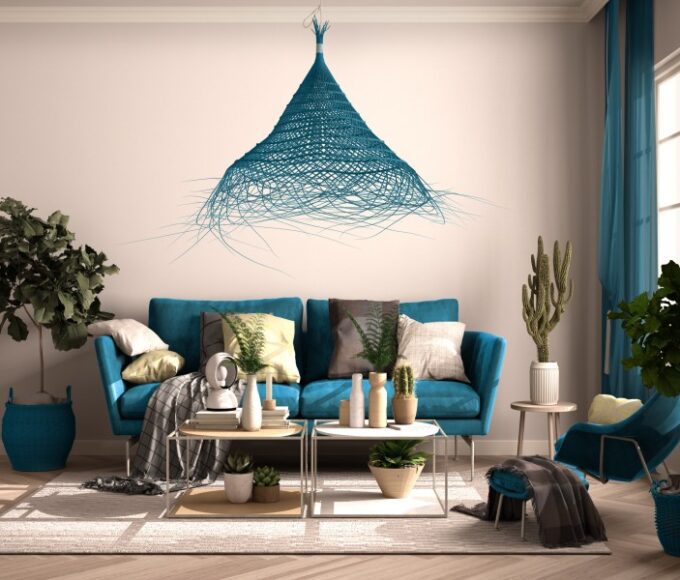
6. Transform the Room With Rugs
You may not be able to change the flooring, but you can change how it looks.
A large rug can:
-
add colour;
-
introduce texture;
-
make a room feel warmer;
-
define an area;
-
and soften hard flooring.
In an open-plan property, rugs can also help visually separate:
living space
from
dining space
or
workspace.
Rugs are one of the simplest renter-friendly changes because there is no need to alter the floor beneath them.
7. Use Soft Furnishings
Soft furnishings can make a neutral rental feel much more personal.
Try introducing colour and texture through:
-
cushions;
-
throws;
-
bedding;
-
curtains where appropriate;
-
rugs;
-
tablecloths;
-
and other textiles.
If the property already has neutral walls and floors, use them as a background and create the colour scheme through things you own.
This makes it easy to change the style later without redecorating.
8. Add Artwork Without Major Wall Changes
Artwork can make a property feel more personal without changing the structure.
Options include:
-
framed prints;
-
photographs;
-
posters;
-
canvases;
-
mirrors;
-
and textiles.
If your tenancy does not permit wall fixings, display frames on:
-
shelves;
-
desks;
-
sideboards;
-
bookcases;
-
or appropriate freestanding picture ledges.
Large artwork can also be positioned safely against a wall where appropriate rather than permanently attached.
9. Be Careful With “Removable” Wall Products
Removable hooks, adhesive strips, decals and temporary wallpaper are often marketed towards renters.
However, removable does not automatically mean damage-free.
Products can behave differently depending on:
-
paint;
-
plaster;
-
wallpaper;
-
humidity;
-
how long they remain attached;
-
and how they are removed.
Test products carefully in an inconspicuous area where appropriate and check your tenancy agreement.
If there is any doubt, ask before using them.
RentWizz’s Rental Decorating Ideas for Rooms and Flats has more detailed ideas specifically for decorating and styling rental homes.
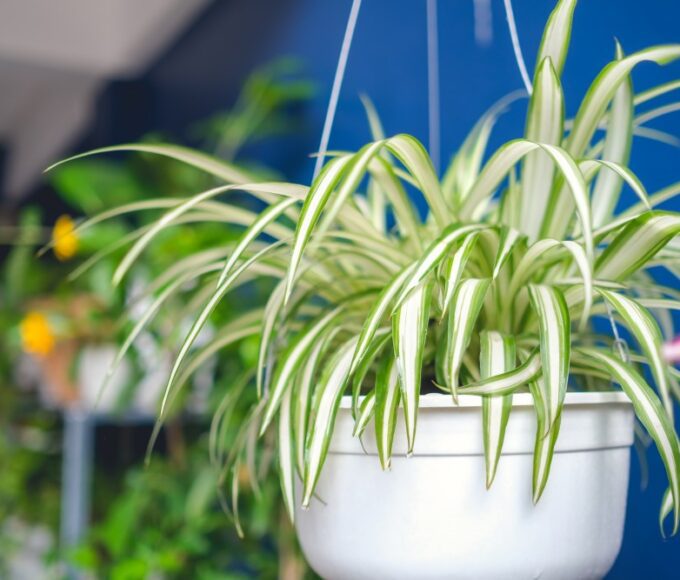
10. Use Plants to Change the Space
Indoor plants can introduce colour and texture without altering the property.
Depending on your space and how much care you want to provide, you might use:
-
small desk plants;
-
larger floor plants;
-
herbs;
-
hanging plants on freestanding supports;
-
or artificial plants.
Avoid placing plants where repeated watering could damage floors, furniture or window sills.
Using trays beneath pots can help protect surfaces.
11. Improve Organisation Rather Than Adding More Furniture
Sometimes a rental does not need more storage.
It needs better organisation.
Before buying anything, go through your belongings and decide what you actually use.
Then give important categories a specific place.
For example:
Keys → one tray near the entrance
Documents → one file box
Cleaning supplies → one cupboard or basket
Charging cables → one organiser
Shoes → one rack
Simple organisation can make a small property feel much more spacious.
12. Create Zones in Open-Plan Rentals
Furniture can help divide a room without building walls or permanent partitions.
For example:
Sofa + rug
= living zone
Desk + lamp
= work zone
Dining table
= eating zone
Bookcase
= visual divider
This can be particularly helpful in studio flats.
The aim is to make one room perform several functions without physically modifying it.
13. Create a Renter-Friendly Workspace
If you work or study from home, a dedicated workspace can improve how the property functions.
You might use:
-
a compact desk;
-
adjustable chair;
-
desk lamp;
-
freestanding drawer unit;
-
cable organiser;
-
and movable storage.
A home office does not necessarily require an entire spare bedroom.
A small corner of a bedroom or living room can work well if it is organised properly.
14. Improve Your Entrance Area
Even a small entrance can become more organised.
Consider:
-
a narrow shoe rack;
-
basket for everyday items;
-
freestanding coat rail;
-
umbrella holder;
-
mirror;
-
and small console table.
Having somewhere for shoes, keys and bags can prevent clutter spreading through the rest of the property.
15. Make the Kitchen Work Better
You may not be able to replace cupboards or worktops, but organisation can significantly improve a rental kitchen.
Try:
-
drawer organisers;
-
shelf organisers;
-
freestanding storage racks;
-
stacking containers;
-
food-storage containers;
-
countertop organisers;
-
and movable kitchen trolleys.
Before buying storage, measure the available space carefully.
A smaller number of properly sized organisers is usually more useful than filling every cupboard with additional containers.
16. Make the Bathroom More Organised
Bathrooms often have limited storage.
Reversible options can include:
-
freestanding shelving;
-
shower caddies;
-
baskets;
-
storage trolleys;
-
and over-door storage where it can be used safely without damaging the door.
Avoid drilling into tiles or walls without permission.
A small permanent hole in bathroom waterproofing can create a much bigger problem than it appears.
Renter-Friendly Energy-Saving Ideas
Some rental improvements can also help reduce unnecessary energy use.
The safest options focus on how you use the home rather than modifying fixed systems.
17. Use Existing Heating Controls Properly
If the rental has:
-
a thermostat;
-
heating programmer;
-
timer;
-
or thermostatic radiator valves,
learn how they work.
Using existing controls properly can help you avoid heating the property unnecessarily.
If the controls are broken or do not work properly, report the issue rather than attempting to replace landlord-owned heating controls yourself.
RentWizz’s Sustainable Renting: A Guide to Greener Rental Homes provides more detailed energy and water-saving guidance for renters.
18. Keep Radiators Clear
Avoid positioning large furniture directly in front of radiators where it prevents heat from circulating effectively.
Rearranging furniture costs nothing and requires no property alteration.
19. Use Portable Draught Excluders
A movable draught excluder placed at the bottom of an appropriate internal or external door can help reduce noticeable draughts without permanently altering the property.
However, if doors or windows are genuinely defective, report them rather than attempting to cover up a repair problem.
Do not block required ventilation.
20. Use Suitable Curtains
Appropriate curtains can make a room feel warmer and more comfortable while also changing the appearance of the space.
But check how existing curtains and rails are fitted.
Replacing a landlord-owned curtain rail, drilling new brackets or permanently changing window fittings may require permission.
Changes That May Require Landlord Permission
There is an important difference between placing something inside your home and physically altering the property.
Before carrying out any of the following, check your tenancy agreement and obtain permission where required.
21. Painting Walls
Painting can dramatically change a room.
It can also create significant work when the tenancy ends.
Before painting, ask:
-
whether it is permitted;
-
which colours are acceptable;
-
whether the property must be returned to its original colour;
-
and whether any specific preparation is required.
Get permission in writing.
Do not rely solely on a casual conversation.
22. Drilling Into Walls
Wall-mounted televisions, shelves, mirrors and artwork can require drilling.
Before creating holes, check the agreement and ask for consent where needed.
There may also be hidden:
-
pipes;
-
electrical cables;
-
and other building services
behind walls.
Permanent wall fixtures should therefore not be treated as simple DIY decoration.
23. Replacing Light Fittings
Adding a floor lamp is different from replacing a fixed ceiling light.
Do not modify fixed electrical installations yourself.
If you want a landlord-owned light fitting changed, discuss it with the landlord.
Electrical work should be completed appropriately and safely.
24. Changing Flooring
A rug is reversible.
Replacing:
-
carpet;
-
laminate;
-
vinyl;
-
tiles;
-
or another fixed floor covering
is a property alteration.
Ask first.
Even if you believe the replacement is an improvement, the landlord may have specific requirements concerning flooring, sound insulation, building rules or future maintenance.
25. Installing Shelves or Built-In Storage
Freestanding shelving is renter-friendly.
Built-in storage is not the same.
Anything that requires substantial fixing, construction or permanent alteration should be discussed with the landlord beforehand.
26. Changing Locks
Do not assume you can replace landlord-owned locks whenever you choose.
If there is a security problem, lost key or reason you believe a lock needs changing, contact the landlord or managing agent and check the tenancy agreement.
This is especially important in flats with communal-access systems or managed key arrangements.
27. Replacing Handles, Taps or Fixtures
Small fixtures can look easy to change.
But replacing landlord-owned:
-
handles;
-
taps;
-
shower fittings;
-
switches;
-
sockets;
-
door hardware;
-
or other fixed components
can cause damage or affect property systems.
Ask before altering them.
28. Installing Smart-Home Equipment
Portable smart bulbs and devices that simply plug in may be straightforward.
Permanent smart thermostats, wired doorbells, fixed security cameras or smart locks are different.
These can involve:
-
wiring;
-
drilling;
-
landlord-owned systems;
-
privacy considerations;
-
or building management rules.
Get permission before installing permanent smart technology.
29. Permanent Energy-Efficiency Improvements
Renters should not independently undertake major improvements such as:
-
replacing windows;
-
fitting insulation;
-
replacing boilers;
-
installing heat pumps;
-
installing solar panels;
-
modifying fixed heating systems;
-
or major draught-proofing work.
Those improvements affect the property itself.
Discuss them with the landlord.
Energy Saving Trust similarly distinguishes everyday renter actions from larger improvements such as insulation and heating-system upgrades that should be raised with the landlord.
A Simple Permission Rule
When deciding whether to ask, use this test:
Can I remove it when I leave without changing or damaging the property?
If yes, it is more likely to be renter-friendly.
If the improvement requires:
drilling,
painting,
wiring,
plumbing,
construction,
replacement of landlord fixtures
or permanent attachment,
check your tenancy agreement and ask before proceeding.
Ask in Writing
If you want permission for a change, explain clearly:
-
what you want to change;
-
where;
-
why;
-
whether a professional will be involved;
-
and whether you intend to restore it before leaving.
If permission is given, keep the written response with your tenancy records.
This helps avoid disagreement later about what was approved.
Do Not Assume an “Upgrade” Is Automatically Acceptable
Something you consider an improvement may not suit the landlord’s plans for the property.
For example, you might prefer:
-
dark painted walls;
-
different flooring;
-
fitted shelving;
-
or a new light fixture.
The landlord may prefer the property to remain neutral or may need to comply with leasehold or building requirements.
Ask first.
Renter-Friendly Upgrades Checklist
Usually Reversible
☐ Freestanding storage
☐ Under-bed storage
☐ Baskets and organisers
☐ Rugs
☐ Cushions and throws
☐ Portable lamps
☐ Artwork displayed without permanent fixings
☐ Plants
☐ Movable furniture
☐ Desk/workspace setup
☐ Portable draught excluders
☐ Organisation systems
Check First
☐ Painting walls
☐ Drilling holes
☐ Wall-mounted shelving
☐ Fixed television mounts
☐ Replacing flooring
☐ Changing locks
☐ Replacing landlord fixtures
☐ Electrical alterations
☐ Plumbing alterations
☐ Permanent smart-home equipment
☐ Major energy-efficiency improvements
Decorating vs Upgrading: Keep the Articles Separate
RentWizz now has two related but distinct articles.
Renter-Friendly Upgrades: Easy Ideas for Rental Homes focuses on making the property more practical, organised, comfortable and efficient.
Rental Decorating Ideas for Rooms and Flats focuses primarily on style, colour, artwork, textiles and making a rental feel personal.
That separation is useful for SEO.
A reader who wants to improve storage and functionality lands here.
A reader who wants decorating inspiration continues to Rental Decorating Ideas for Rooms and Flats.
Final Thoughts on Renter-Friendly Upgrades
The most successful renter-friendly upgrades improve how your home works without creating unnecessary problems when you move.
Start with reversible ideas:
freestanding storage,
better lighting,
soft furnishings,
rugs,
organisation,
movable furniture
and simple energy-saving habits.
These can dramatically change how a property feels while allowing you to take most of the investment with you to your next home.
Treat permanent changes differently.
Before painting, drilling, replacing fixtures, changing flooring, carrying out electrical work or making another alteration to the property, check the tenancy agreement and obtain landlord permission where required.
A rental can still feel comfortable and personal without becoming a renovation project.
For more styling ideas, continue with RentWizz’s Rental Decorating Ideas for Rooms and Flats.






1 Comment