







Good first-time renter tips should start with one thing: understanding what renting will really cost before you commit to a property. Your monthly rent is only part of the budget. Deposits, utilities, broadband, Council Tax, transport, insurance, food and unexpected expenses can all affect whether a home is genuinely affordable.
For somebody renting independently for the first time, separating upfront moving costs from ongoing monthly costs makes financial planning much easier.
This guide will help you build a realistic rental budget, understand deposits and avoid some of the financial surprises that first-time renters commonly encounter.
First-Time Renter Tips: Start With Your Real Budget
Before searching for properties, work out how much you can comfortably spend each month.
Do not begin with:
“What is the maximum rent I can technically afford?”
A better question is:
“What will I have left after paying for the property and all my essential living costs?”
Your budget should consider rent alongside Council Tax, utilities, transport, broadband, food and other regular commitments.
A £950 property is not really a £950 monthly commitment if another £500 or £600 is required to live there.
Sample First-Time Renter Monthly Budget
Here is a simple example based on a renter paying £1,000 per month.
| Monthly cost | Example amount |
|---|---|
| Rent | £1,000 |
| Gas, electricity and water | £120 |
| Broadband | £30 |
| Council Tax | £140 |
| Transport | £150 |
| Contents insurance | £15 |
| Food and household essentials | £250 |
| Emergency fund | £100 |
| Total monthly budget | £1,805 |
These figures are examples only.
Actual costs can be significantly higher or lower depending on:
-
where you live;
-
whether you share;
-
property size;
-
Council Tax band;
-
transport requirements;
-
energy efficiency; and
-
which bills are included in the rent.
The purpose of the table is not to tell you what you should spend.
It is to show why rent alone is not a complete affordability calculation.
Separate Upfront Costs From Monthly Costs
Some rental costs happen before or around moving day rather than every month.
For a £1,000-per-month property in England, an example might look like this:
| Upfront cost | Example |
|---|---|
| Holding deposit | Up to about £231 |
| Tenancy deposit | Up to about £1,154 |
| First month’s rent | £1,000 |
| Moving costs | Depends on circumstances |
| Basic household items | Depends on what is included |
The holding-deposit and tenancy-deposit figures above use the current maximum rules applying to relevant private tenancies in England.
A holding deposit is not necessarily an additional permanent cost. With the tenant’s agreement, it may be credited towards the tenancy deposit or first month’s rent once the tenancy agreement has been signed.
England: Understand Holding Deposits
For applicable private rentals in England, a landlord or letting agent can ask for a refundable holding deposit while they carry out referencing and other pre-tenancy checks.
The maximum is generally one week’s rent.
For a property costing £1,000 per month:
Annual rent:
£12,000
Approximate weekly rent:
£231
Maximum holding deposit:
about £231
The limit applies to the tenancy as a whole rather than separately to each tenant on a joint agreement.
Do not confuse a holding deposit with your main tenancy deposit.
England: Understand Tenancy Deposit Limits
For applicable private tenancies in England, the maximum tenancy deposit is generally:
Up to five weeks’ rent where annual rent is below £50,000.
Up to six weeks’ rent where annual rent is £50,000 or more.
Using the £1,000-per-month example:
Annual rent = £12,000
Maximum five-week deposit = approximately £1,154
Your landlord or letting agent must also protect qualifying tenancy deposits using a government-approved tenancy deposit protection scheme. GOV.UK states that this must generally happen within 30 days of receiving the deposit.
These rules apply specifically to England. Deposit rules and rental systems differ elsewhere in the UK.
Do Not Forget the First Rent Payment
Deposits are not the same as rent.
You will normally need money available for the first rent payment as well.
For ordinary assured periodic tenancies in England, landlords and agents must not ask for, accept or encourage rent before the tenancy agreement has been signed.
After signing and before the tenancy begins, a landlord can usually request up to one month’s rent for a monthly tenancy.
This is another reason old advice telling first-time renters to prepare for six or twelve months of compulsory rent upfront should not appear in an updated RentWizz article.
Budget for Utilities
Find out which utilities are included before signing.
Depending on the property, you may need to budget separately for:
Gas
Electricity
Water
Do not assume “bills included” means every bill is covered.
Ask exactly what the rent includes.
If you are comparing two properties, a slightly higher rent with certain bills included may sometimes cost less overall than a cheaper property where everything is separate.
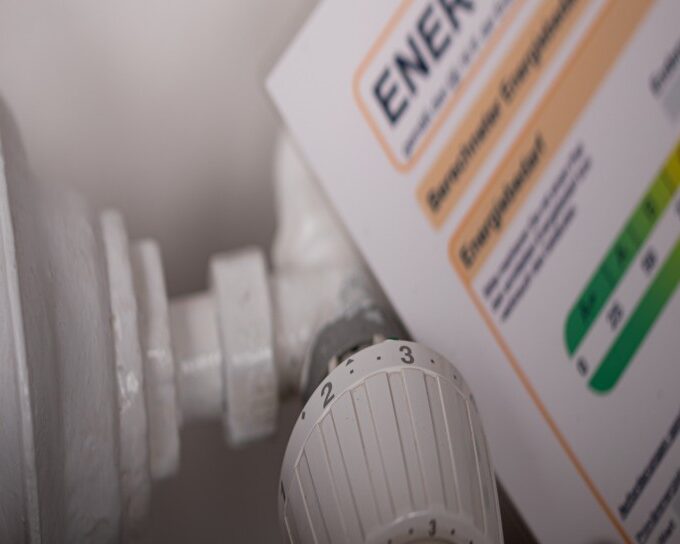
Check the EPC
Energy efficiency can affect your monthly costs.
Before choosing a property, look at its Energy Performance Certificate and consider:
-
heating type;
-
insulation;
-
windows;
-
heating controls; and
-
property size.
A large or poorly performing property may be more expensive to heat than a smaller, more efficient home.
First-time renters can easily focus on décor and location during a viewing while overlooking how much the property might cost to run during winter.
Budget for Broadband
Broadband is another recurring expense that is easy to overlook.
Before moving:
-
check which providers serve the exact address;
-
compare installation dates;
-
check contract length;
-
compare download and upload speeds; and
-
ask whether broadband is already included.
Do not automatically choose the most expensive package.
Choose a service appropriate for how you actually use the internet.
If you work from home, broadband quality may deserve more weight in the budget.
Understand Council Tax
Council Tax is a significant monthly expense for many renters in England, Scotland and Wales.
Check the property’s Council Tax band before committing.
The amount can vary according to the property and local authority.
Some households may qualify for discounts or exemptions depending on their circumstances, so check current guidance rather than simply accepting the full headline amount as your final cost.
Northern Ireland operates a different domestic-rates system.
Include Transport in Your Rental Budget
A cheaper property farther from work or university may not actually save money.
For example:
Property A
Rent: £1,000
Transport: £100
Total: £1,100
Property B
Rent: £900
Transport: £220
Total: £1,120
Property B has rent that is £100 cheaper, but once travel is included it actually costs £20 more per month.
It may also involve a longer commute.
Always compare rent + travel, not rent alone.
Consider Contents Insurance
Your landlord’s property insurance normally protects the building or the landlord’s interests.
It does not necessarily protect your own belongings.
Contents insurance can potentially cover items such as:
-
laptop;
-
phone;
-
television;
-
furniture;
-
clothes; and
-
other possessions,
depending on the policy.
Compare what different policies actually cover before purchasing one.
For someone moving into their first home with relatively few belongings, the appropriate cover may be different from someone moving with expensive electronics or furniture.
Build a Realistic Food Budget
Food can vary considerably from person to person, but it belongs in your housing affordability calculation.
Think about:
Groceries
Lunches
Takeaways
Household essentials
A renter who regularly spends £250 per month on groceries and household items should include that £250 rather than pretending it disappears simply because they move.
Budget based on how you actually live.
Start an Emergency Fund
An emergency fund does not need to be enormous immediately.
Even regularly putting aside a modest amount can create a useful buffer.
For example:
£50 per month = £600 over a year
£100 per month = £1,200 over a year
Unexpected costs might include travel, replacing personal belongings or an unplanned move.
However, remember that you should not automatically use your emergency savings to pay for repairs that are legally your landlord’s responsibility.
Report landlord repair issues appropriately.
Do Not Spend Your Entire Budget on Rent
Suppose your monthly income after tax is £2,000 and you find a property costing £1,500.
You may technically be able to transfer £1,500 each month.
That does not necessarily mean the property is affordable.
You would have only £500 remaining for:
-
Council Tax;
-
energy;
-
water;
-
transport;
-
broadband;
-
food;
-
insurance;
-
phone;
-
emergencies; and
-
everything else.
Run the complete budget before submitting an application.
Know What Is Included in the Property
Before buying furniture and household equipment, check the inventory or property description.
A furnished rental may already include:
-
bed;
-
wardrobes;
-
sofa;
-
dining furniture;
-
refrigerator;
-
washing machine; and
-
other appliances.
Buying items before confirming what is provided can waste money.
For an unfurnished property, create a priority list.
Start with essentials and add other items gradually rather than trying to fully furnish the property immediately.
Sharing Can Change the Budget Considerably
A first rental does not need to mean renting an entire flat alone.
Sharing can reduce both rent and some household costs.
For example, several renters may share the cost of:
-
broadband;
-
energy;
-
Council Tax;
-
cleaning supplies; and
-
other communal items.
However, compare the actual room price and bills rather than assuming every shared property is cheap.
If you are considering a flat share, RentWizz’s Sharing a Flat: Dos and Don’ts for Happy Roommates explains how to manage shared bills and household expectations.
Check the Financial Side Before Paying Anything
Before transferring a holding deposit or other money:
Verify the property.
Verify the landlord or agent.
Understand what the payment is for.
Get relevant terms in writing.
Keep payment records.
Rental fraud can specifically target first-time renters who are unfamiliar with normal payment processes.
If someone pressures you to transfer money without appropriate checks, stop and investigate.
RentWizz’s Rental Scams UK: How to Stay Safe When Renting provides more detailed guidance.
Create Your Own First-Time Rental Budget
Use this template before choosing a property:
| Expense | Your amount |
|---|---|
| Monthly rent | £ |
| Council Tax/rates | £ |
| Gas/electricity/water | £ |
| Broadband | £ |
| Transport | £ |
| Contents insurance | £ |
| Food | £ |
| Phone | £ |
| Other regular commitments | £ |
| Emergency savings | £ |
| Total monthly cost | £ |
Then calculate your upfront requirement separately:
| Upfront cost | Your amount |
|---|---|
| Holding deposit | £ |
| Tenancy deposit | £ |
| First rent payment | £ |
| Moving costs | £ |
| Furniture/household essentials | £ |
| Total required before/around moving | £ |
Do this for every serious property you consider.
It becomes much easier to compare two rentals when all the costs are visible in one place.
First-Time Renter Financial Checklist
Before signing, make sure you have checked:
☐ monthly rent
☐ holding deposit
☐ tenancy deposit
☐ first rent payment
☐ utilities
☐ Council Tax or rates
☐ broadband
☐ transport
☐ insurance
☐ food
☐ moving costs
☐ furniture requirements
☐ emergency savings
☐ what bills are included
☐ whether the total cost fits your income
First-Time Renters Should Keep Some Money Back
Moving often costs more than expected.
Try not to use every available pound on the deposit and first rent payment.
You may still need money for:
-
travel;
-
groceries;
-
basic household supplies;
-
broadband setup;
-
furniture;
-
or another unexpected cost.
Having some money left after move-in can make the first month much easier.
Continue With First Time Renters Top Tips
This guide focuses specifically on money and budgeting.
For the wider renting process — including searching for a home, viewings, understanding the property and preparing to move — continue with RentWizz’s First Time Renters Top Tips guide.
The two articles should work together:
First-Time Renter Tips: Smart Financial Guide
→ budgeting, deposits and monthly costs
First Time Renters Top Tips
→ the broader first-rental process
Final Thoughts
The most useful first-time renter tips are not about finding the cheapest advertised property.
They are about knowing exactly what you can afford before committing.
Calculate the rent.
Then add utilities, Council Tax, broadband, transport, insurance, food and an allowance for unexpected expenses.
Separately, prepare for upfront costs such as the holding deposit, tenancy deposit and first rent payment.
For renters in England, remember that current rules generally cap holding deposits at one week’s rent and tenancy deposits at five weeks’ rent where annual rent is below £50,000, rising to six weeks for rents at or above that threshold.
Planning these numbers before you start applying can help you choose a home that works not only on moving day, but throughout the tenancy.
This article provides general budgeting information and is not financial or legal advice. The deposit and rent-in-advance rules discussed above apply specifically to relevant private tenancies in England. Different rules apply in Wales, Scotland and Northern Ireland.

Review Overview
Summary
Pellentesque iaculis gravida nulla ac hendrerit. Vestibulum faucibus neque at lacus tristique eu ultrices ipsum mollis. Phasellus venenatis, lacus in malesuada pellentesque, nisl ipsum faucibus velit, et eleifend velit nulla a mi. Praesent pharetra semper purus, a vehicula massa interdum in.
The Pros
Unlimited content Design sharing Branded templatesThe Cons
Premium video Folders and storage Magic Resize- Drag and drop editor5
- Easy customizations4
- Brand's visual identity4.5
- Million free photos3.5











Leave a comment