





Being a good tenant is not about trying to impress your landlord or accepting every request without question. It is about paying rent as agreed, communicating clearly, looking after your home and understanding both your responsibilities and your rights.
A positive rental relationship usually works best when both sides know what is expected of them.
Tenants should treat the property reasonably, report problems promptly and respect neighbours. Landlords, meanwhile, remain responsible for their own legal duties, including many repairs, safety requirements and following the correct tenancy procedures.
Here are some practical ways to make renting easier for everyone involved.
Pay Your Rent as Agreed
Paying rent correctly and on time is one of the most important tenant responsibilities.
Make sure you understand:
-
how much rent is due;
-
when it is due;
-
how it should be paid; and
-
what reference should be used for payments.
Keep your own record of rent payments, particularly if you do not pay by an automatic bank transfer.
If you believe a payment has been recorded incorrectly, raise it promptly rather than allowing the issue to continue.
If You Are Struggling to Pay
Do not ignore the situation.
Contact your landlord or letting agent as early as possible if you believe you may have difficulty paying the rent.
Early communication does not guarantee a particular outcome, but it provides more opportunity to discuss the situation than simply allowing missed payments to accumulate.
For private tenants in England, rent remains payable even when there is a repair dispute. GOV.UK advises tenants not to withhold rent simply because repairs are needed.
Communicate Clearly
Good communication can prevent small misunderstandings from becoming disputes.
Keep your landlord or agent informed about important matters affecting the tenancy.
This might include:
-
repairs;
-
maintenance problems;
-
damage;
-
access arrangements;
-
changes affecting the household; or
-
your plans to end the tenancy.
For significant matters, communicating in writing can be helpful because both sides have a record of what was discussed.
You do not need to send lengthy messages.
Clear information such as what the problem is, when you noticed it and whether it is getting worse is usually much more useful.
Report Repairs Promptly
A good tenant should report maintenance problems rather than ignoring them.
A small leak, for example, can become a much larger problem if nobody knows about it.
Report issues such as:
-
leaks;
-
heating problems;
-
faulty hot water;
-
electrical problems;
-
damaged doors or windows;
-
signs of damp or mould; and
-
problems with landlord-supplied appliances.
Photographs can be useful where they help explain the problem.
Do Not Take Over the Landlord’s Repair Responsibilities
Reporting a problem does not mean you need to repair it yourself.
For private rentals in England, landlords remain responsible for specified repairs including the property’s structure and exterior, heating and hot water, relevant plumbing, gas systems and electrical wiring.
GOV.UK specifically states that tenants should only carry out repairs where the tenancy agreement says they can and cannot be forced to undertake repairs that are the landlord’s responsibility.
So if the boiler stops working, report it.
Do not attempt to repair a landlord-owned boiler yourself.
Take Reasonable Care of the Property
You do not need to keep a rental looking untouched.
A rented property is your home and normal everyday use will naturally occur.
However, tenants should take reasonable care of it.
Simple examples include:
-
cleaning regularly;
-
using appliances appropriately;
-
dealing with spills promptly;
-
keeping ventilation in mind;
-
avoiding unnecessary damage; and
-
reporting faults before they become worse.
GOV.UK states that tenants are generally responsible for taking good care of the property and for damage caused by themselves, their family or guests.
This is different from fair wear and tear, which occurs through normal use over time.
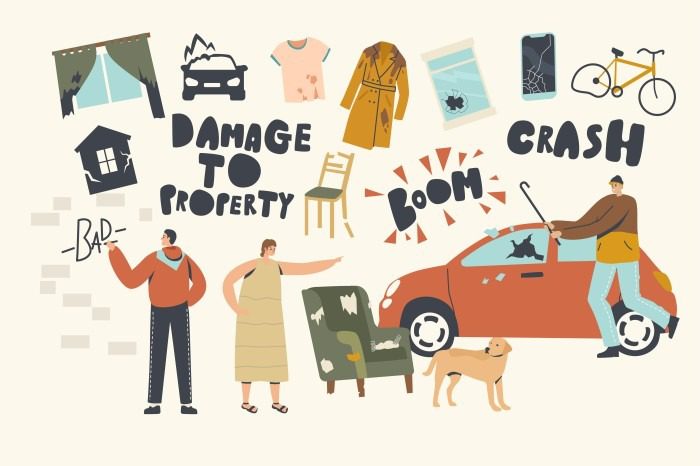
Be Sensible About Damage
Accidents happen.
If you accidentally damage something, tell your landlord or agent rather than trying to hide it until check-out.
For example, if you accidentally damage a landlord-owned fitting or a guest causes damage, you may be responsible for putting that right or covering the reasonable cost.
Reporting it early can also prevent the damage from becoming worse.
Keep photographs and written records where useful.
Respect Access Arrangements
Landlords may legitimately need access for matters such as:
-
inspections;
-
repairs;
-
safety checks;
-
maintenance; or
-
contractors carrying out necessary work.
For private renting in England, GOV.UK says landlords normally need to provide at least 24 hours’ notice and attend at a reasonable time when accessing the property for inspections or repairs, unless there is an emergency requiring immediate access.
A good rental relationship works both ways.
Landlords should respect your privacy and provide appropriate notice.
Tenants should provide reasonable access when legitimate repairs or inspections need to take place.
If a proposed time is genuinely difficult, communicate and try to arrange a practical alternative rather than simply ignoring the request.
Be Considerate Towards Neighbours
Your tenancy does not exist in isolation.
Whether you live in a flat, house, converted building or shared property, other people may live nearby.
Be considerate about:
-
music;
-
television;
-
parties;
-
late-night noise;
-
communal doors;
-
rubbish;
-
parking; and
-
shared hallways.
You do not need to live silently.
The aim is simply to avoid behaviour that repeatedly and unreasonably affects other residents.
If you live in a block, pay attention to building-specific arrangements concerning communal areas, bins, bicycles and access.
Check Before Making Alterations
It is natural to want your rental to feel like home.
However, do not assume you can permanently change the property.
Before:
-
painting walls;
-
drilling;
-
replacing fixtures;
-
changing locks;
-
installing fixed equipment;
-
altering flooring; or
-
making another permanent change,
check the tenancy agreement and ask for permission where required.
Get significant permissions in writing.
Renter-friendly items such as furniture, rugs, lamps and removable decorations may provide plenty of personalisation without altering the building itself.
Look After Keys and Security
Treat keys, access cards and fobs carefully.
Do not casually give copies to people who do not need them.
If a key is lost, notify the landlord or agent promptly.
Check your agreement before changing locks or arranging additional copies, particularly where a building uses controlled communal-access systems.
When you leave, return all keys and access devices as required.
Use Shared and Communal Areas Responsibly
If you rent a flat or room, you may share parts of the property or building.
These might include:
-
entrances;
-
hallways;
-
kitchens;
-
gardens;
-
bin areas;
-
bicycle storage; or
-
laundry facilities.
Do not block communal access with personal belongings or leave rubbish where it creates problems for other residents.
If you share the property with roommates, RentWizz’s Sharing a Flat: Dos and Don’ts for Happy Roommates provides more detailed advice on bills, cleaning, food, guests and privacy.
Keep Important Records
You do not need to document every conversation, but keep important tenancy information organised.
Useful records can include:
-
tenancy documentation;
-
deposit details;
-
inventory;
-
move-in photographs;
-
rent records;
-
repair correspondence;
-
permissions for alterations; and
-
notices.
This helps both during the tenancy and when you eventually move.
Tell Your Landlord Before Leaving
Do not simply move your belongings out and assume the tenancy has ended.
Follow the correct process.
For most new assured periodic tenancies in England, the tenancy agreement should state the notice required.
The maximum notice a landlord can generally require is two months. If the agreement does not specify a notice period, at least two months is generally required. Different transitional rules can apply to tenancies that began before 1 May 2026.
Notice should be given correctly and in writing.
Continue paying rent during the notice period unless you and your landlord agree otherwise in writing.
Rules differ elsewhere in the UK, so check the requirements applying where you live.
Prepare Properly for Check-Out
Before leaving:
-
remove your belongings;
-
clean the property reasonably;
-
compare the condition with the inventory;
-
photograph each room;
-
record meter readings;
-
return keys;
-
provide any required forwarding information; and
-
keep evidence of the property’s condition.
RentWizz’s Tenant Moving Checklist provides a full chronological guide covering the weeks before moving, moving day and your first day in a new property.
Remember Your Rights as a Tenant
Being a good tenant does not mean giving up your rights.
For private renters in England, GOV.UK confirms rights including the right to:
-
live in a safe property that is in a good state of repair;
-
live in the property undisturbed;
-
have qualifying deposits appropriately protected;
-
know who the landlord is;
-
see the property’s Energy Performance Certificate;
-
challenge certain unfair charges; and
-
be protected from unfair eviction and unfair rent practices.
England’s rental rules also changed significantly on 1 May 2026.
Most existing assured shorthold tenancies became assured periodic tenancies, and applicable new private tenancies now generally use the periodic system. Section 21 was also abolished for affected tenancies.
Current protections also cover areas including rental bidding, rent increases, requests to keep pets, rent in advance and certain forms of rental discrimination.
For the full explanation, read RentWizz’s Tenant Rights in England: 2026 Guide.
Your responsibilities do not replace your landlord’s responsibilities.
Both sides are expected to comply with the rules applying to them.
Good Tenant Etiquette: Quick Checklist
☐ Pay rent when agreed
☐ Keep payment records
☐ Report repairs promptly
☐ Communicate important issues clearly
☐ Take reasonable care of the property
☐ Report accidental damage
☐ Respect neighbours
☐ Provide reasonable access when properly arranged
☐ Check before making permanent alterations
☐ Keep keys secure
☐ Save important tenancy information
☐ Follow the correct process when leaving
☐ Photograph the property at check-out
☐ Return all keys and access devices
☐ Understand your rights as well as your responsibilities
Final Thoughts
Being a good tenant is mostly about reliability, communication and reasonable care.
Pay rent as agreed, report repairs when they arise, look after the property, respect neighbours and communicate clearly when something changes.
At the same time, renting is a two-way relationship.
Tenants have responsibilities, but landlords also have responsibilities concerning repairs, safety, privacy and the legal management of the tenancy.
You should never feel that being a “good tenant” means accepting unsafe conditions, carrying out landlord repairs yourself or giving up your legal protections.
For more information about the protections applying to private renters, continue with RentWizz’s Tenant Rights in England: 2026 Guide.
This article provides general rental-etiquette information. The legal examples above relate primarily to private renting in England. Different rules apply in Wales, Scotland and Northern Ireland and different arrangements can apply to lodgers, social housing and other forms of accommodation.








Leave a comment