



Rent Out a Spare Room: Practical UK Guide
If you want to rent out a spare room, taking in a lodger can turn unused space in your home into additional income while providing someone with a place to live. However, before advertising the room, it is important to understand what type of arrangement you are creating, whether you need permission and what responsibilities come with sharing your home.
For many homeowners and renters, taking in a lodger is simpler than letting an entire property. It is not, however, simply a matter of finding someone and collecting rent.
Your mortgage, lease, tenancy agreement, insurance, tax position and the way you share the property can all affect what you need to do.
This guide explains the main points to consider before opening your spare room to someone else.
What Does It Mean to Rent Out a Spare Room?
In the simplest situation, you continue living in your home while another person pays to occupy a furnished bedroom and shares facilities such as the kitchen, bathroom or living room with you.
In this type of arrangement, you will usually be a resident landlord, while the person staying with you will commonly be described as a lodger.
GOV.UK defines a resident landlord as someone who lets part of a property that remains their only or main home.
However, the exact legal arrangement depends on how the property is occupied. Simply calling someone a lodger does not automatically make them one.
That distinction matters because a lodger and a tenant can have different rights.
Lodger or Tenant: What Is the Difference?
A typical lodger lives in the landlord’s own home and shares living accommodation with the landlord or their family.
For example, if you rent out a bedroom while continuing to use the same kitchen and bathroom, the occupant will often be an excluded occupier. GOV.UK says this is likely where the resident landlord and lodger share living accommodation.
This type of arrangement can usually be ended with reasonable notice, often corresponding to the rental payment period.
The position can be different where the person does not share living accommodation with you. They may instead have basic protection, which can affect the process required to end the arrangement.
A different situation arises if you move out and allow somebody to occupy the property without you living there. You may then be creating a conventional residential tenancy rather than taking in a lodger.
In England, this distinction became particularly important following changes introduced on 1 May 2026. Most private assured tenancies now operate as assured periodic tenancies, while different rules continue to apply to lodgers living with resident landlords.
Housing law also differs across England, Wales, Scotland and Northern Ireland, so check the rules that apply where the property is located if you are unsure.
Can Tenants Rent Out a Spare Room?
You do not necessarily have to own the property to take in a lodger.
HMRC’s Rent a Room Scheme can apply to resident landlords whether they own or rent their home. However, this does not mean every tenant automatically has permission to sublet or take in a lodger.
If you rent your home, check your tenancy agreement first.
Your agreement may allow lodgers, require the landlord’s written consent or prohibit subletting altogether.
Taking someone into the property without required permission could put you in breach of your own tenancy agreement.
Check Your Mortgage Before Taking a Lodger
Homeowners with a mortgage should also check the terms of their mortgage before advertising their spare room.
Government guidance for resident landlords says that where a property is mortgaged, it is important to obtain the mortgage lender’s agreement where required because letting part of the home without permission may breach the mortgage conditions.
Do not assume that because you continue living in the property your lender automatically allows a paying lodger.
Check your mortgage documentation or contact your lender.
Leasehold and Shared Ownership Properties
If your home is leasehold, your lease may contain restrictions on letting or taking in a lodger.
Some leases require permission from the freeholder or management company.
Similarly, shared ownership properties can have additional restrictions. GOV.UK advises shared owners to check their lease, and permission may be required before subletting all or part of the home.
Checking first is far easier than resolving a breach afterwards.
Tell Your Home Insurer
Taking in a lodger changes how your home is occupied.
That may affect your buildings or contents insurance.
HMRC guidance specifically recommends checking that your insurance company is satisfied with the arrangement because existing cover may no longer be adequate once someone starts renting part of your home.
Tell your insurer before the lodger moves in and ask whether your current policy remains valid or needs adjusting.
You may also want to check how the policy treats the lodger’s possessions, accidental damage and liability.
How the Rent a Room Scheme Works
One of the main financial advantages of renting out a furnished room in your main home is the UK’s Rent a Room Scheme.
Under the current HMRC rules, you may receive up to £7,500 a year tax-free from letting furnished accommodation in your home.
If the income is shared with another person, such as a joint owner, the threshold is normally halved to £3,750 each.
If your gross receipts stay within the relevant threshold, the exemption normally applies automatically.
If your income exceeds the threshold, HMRC says you must complete a tax return. You can then choose whether to use the Rent a Room Scheme or calculate taxable property income using the normal method.
The scheme applies to furnished accommodation in your only or main residence. It cannot simply be applied to every type of rental property, and it does not apply to a home that has been converted into separate flats.
Keep clear records of rent and other receipts even if you expect to remain below the threshold.
What Counts Towards the £7,500 Limit?
Do not assume the threshold applies only to the basic room rent.
HMRC describes the scheme in terms of receipts from providing furnished accommodation and associated goods or services.
Therefore, amounts connected with the accommodation may need to be considered when calculating your total receipts.
If your annual income is approaching or exceeding the threshold, checking HMRC’s current guidance or obtaining tax advice can help you choose the most appropriate method.
Tax rules can change, so RentWizz recommends checking the latest GOV.UK guidance rather than relying on an old article or social media post.
Work Out a Fair Rent
Before advertising, research comparable rooms in your area.
Look at similar properties with comparable room sizes, transport links, furniture and facilities.
Then decide exactly what your advertised rent includes.
For example, will electricity, gas, broadband, water and Council Tax be included within one monthly amount, or will some bills be shared separately?
Clear pricing makes it easier for potential lodgers to understand their real monthly cost and reduces the chance of disagreement later.
GOV.UK notes that resident landlords can agree the rent with their lodger and may include an appropriate share of household bills.
Check Your Council Tax Position
Taking in a lodger may also affect Council Tax.
If you currently receive a single-person Council Tax discount, another adult moving into your home could mean you are no longer entitled to that discount.
GOV.UK advises resident landlords to notify their council if taking in a tenant or lodger changes their entitlement.
Factor this into your calculations when deciding whether the room will provide the level of additional income you expect.
Make Sure Your Home Is Safe
When you rent out a spare room, earning additional income comes with responsibility for providing safe accommodation.
Resident landlords are responsible for keeping their property safe and in good repair.
Before somebody moves in, review the condition of the room and shared areas. Pay particular attention to gas and electrical safety, smoke and carbon monoxide alarms where required, safe escape routes, supplied appliances and the fire safety of furniture and furnishings.
Government landlord safety guidance covers gas, electrical and fire-safety responsibilities and should be checked alongside any rules that specifically apply to your type of accommodation.
If taking in several people could turn the property into a House in Multiple Occupation, additional licensing or safety requirements may apply, so check with your local authority before increasing occupancy.
Right to Rent Checks in England
If your property is in England, landlords must check whether adult tenants or lodgers have the legal right to rent before allowing them to occupy the property as their main home.
GOV.UK confirms that the requirement applies to lodgers as well as tenants. Checks should be carried out consistently for all prospective adult occupiers rather than based on nationality or assumptions about someone’s immigration status.
Right to Rent is an England-specific requirement. Different arrangements apply elsewhere in the UK.
Put the Arrangement in Writing
Even where a formal tenancy is not being created, putting the important details in writing can prevent misunderstandings.
A simple lodger agreement can record the rent, payment date, deposit if applicable, which bills are included, rooms and facilities the lodger may use, household expectations, notice arrangements, guest arrangements and any reasonable rules about shared spaces.
The written document should accurately reflect how you actually intend to share the home.
Do not label an arrangement a “lodger agreement” simply to avoid creating a tenancy if the reality of the arrangement points to something different. Government resident-landlord guidance stresses that the facts of occupation are important when determining whether an arrangement is a licence or tenancy.
Choose the Right Person, Not Just the First Person
Because you will be sharing your home, suitability matters as much as the amount of rent.
Think about working hours, lifestyle, smoking, pets, overnight guests, use of shared rooms and expectations around cleaning.
Before agreeing to anything, consider checking:
-
identity and Right to Rent where applicable;
-
employment or income;
-
previous landlord or personal references;
-
expected length of stay;
-
lifestyle and household compatibility; and
-
whether both sides understand the house rules and financial arrangements.
GOV.UK recommends asking prospective lodgers for references and following them up before signing an agreement.
For more help choosing someone suitable, read RentWizz’s Finding the Perfect Tenant: Landlord Screening Guide.
Prepare the Spare Room
A room does not need luxury furniture to attract a good lodger.
It should, however, be clean, safe, comfortable and accurately represented in your advert.
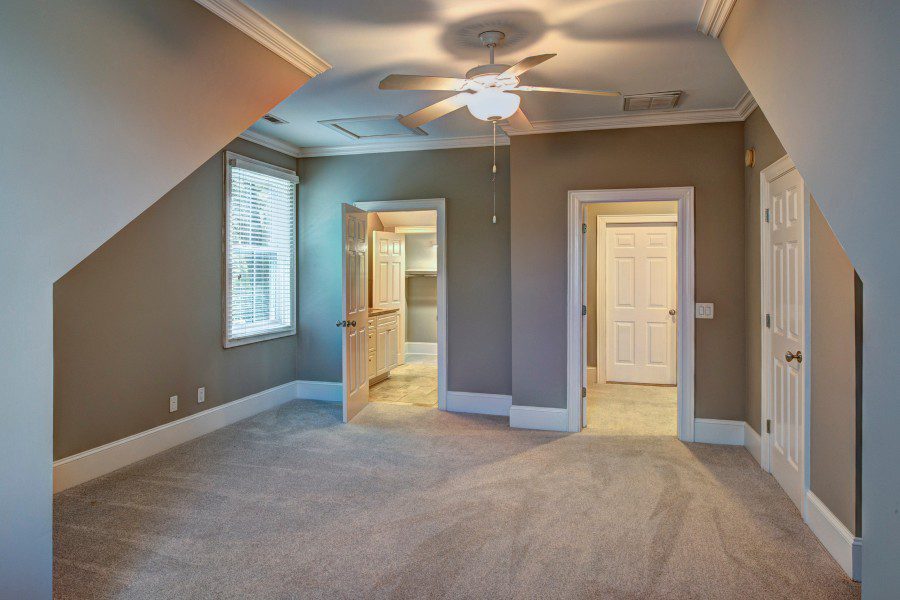
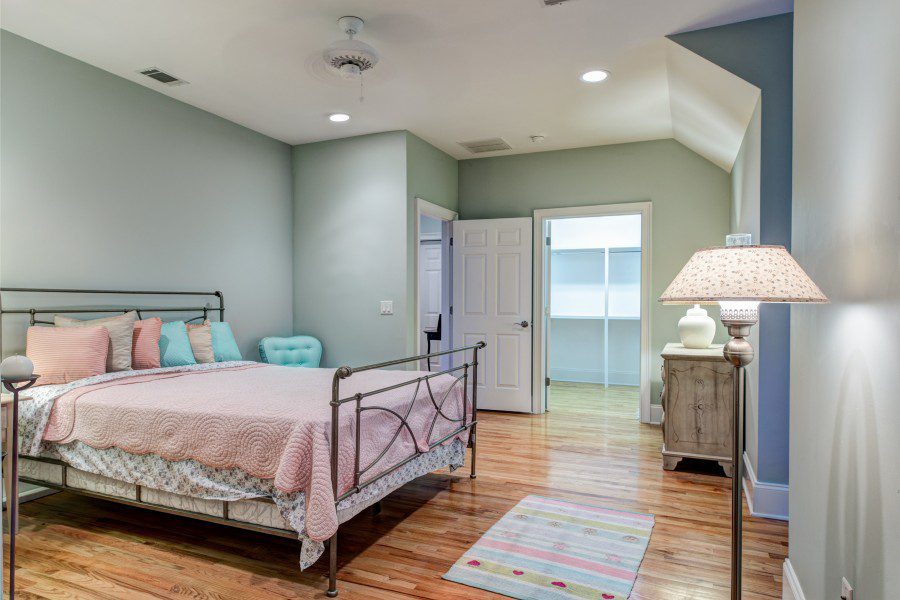
A good basic room might include a suitable bed and mattress, practical storage, curtains or blinds, adequate lighting and enough space for personal belongings.
Good photographs matter too.
Use natural light, tidy the room before taking photographs and show the actual space clearly. Avoid misleading wide-angle images or descriptions that make the room appear larger than it is.
Advertise Your Spare Room Clearly
A strong room advert should answer the questions renters are likely to have before they arrange a viewing.
Include the location, monthly rent, deposit if applicable, whether bills are included, room type, available date, furniture, shared facilities and relevant transport connections.
You should also explain that the landlord lives in the property if you are specifically seeking a lodger.
RentWizz provides dedicated Rooms to Rent listings where renters can search for available accommodation.
Find Potential Renters
Advertising the room is only half of the process.
RentWizz also allows property advertisers to connect with people who are actively looking for accommodation, making it easier to identify potential matches rather than simply waiting for enquiries.
You can explore people searching for accommodation through RentWizz’s Renters search and use the RentWizz landlord guides when assessing potential applicants.
Never feel pressured to accept someone immediately. A spare-room arrangement involves sharing your home, so take enough time to make sure the arrangement feels suitable for both sides.
Advertise Your Spare Room Free on RentWizz
Ready to rent out a spare room?
Create a clear listing, add photographs and describe what your home and room genuinely offer.
Advertise Your Spare Room Free on RentWizz and start connecting with people searching for their next place to live.
Final Thoughts
Choosing to rent out a spare room can be an effective way to make better use of unused space and generate additional household income.
For many people, a resident-landlord and lodger arrangement offers a practical approach. The UK’s Rent a Room Scheme can also provide valuable tax relief, with a current tax-free threshold of up to £7,500 a year for qualifying furnished accommodation in your main home.
However, prepare before publishing your advert.
Check your mortgage or tenancy agreement, lease, insurance and any required permissions. Understand whether you are genuinely taking in a lodger or creating another type of rental arrangement. Make sure the accommodation is safe, agree the financial arrangements clearly and choose someone who is compatible with your household.
Getting these basics right can help turn an unused bedroom into useful income while creating a positive living arrangement for everyone involved.
This article provides general information and is not legal or tax advice. Housing rules differ between England, Wales, Scotland and Northern Ireland. Always check current GOV.UK, HMRC and relevant local guidance for your circumstances.