






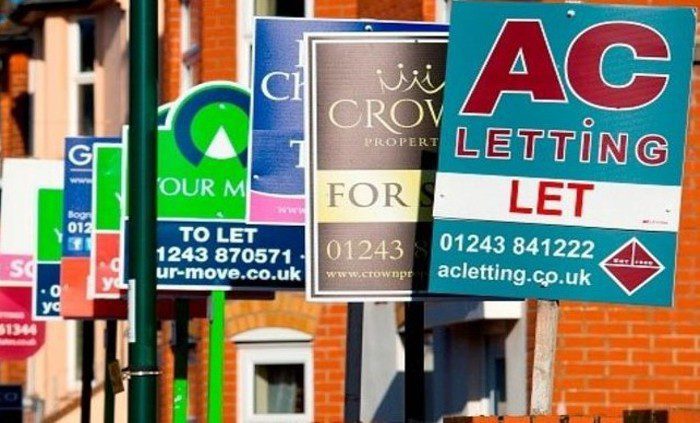
Renting a property in the UK can be an exciting venture, offering the flexibility and freedom many desire without the long-term commitment of homeownership. However, before you embark on this journey, it’s essential to understand the ins and outs of tenancy agreements to ensure a smooth and harmonious living experience. In this comprehensive guide, we’ll explore the various types of tenancy agreements, what to look for in them, and your rights and responsibilities as a tenant.
Types of Tenancy Agreements
Assured Shorthold Tenancy (AST)
- Most common type of tenancy in the UK.
- Typically lasts for at least six months, providing both the landlord and tenant with flexibility.
- Allows the landlord to regain possession of the property with proper notice.
Assured Tenancy
- Usually granted by housing associations or local councils.
- Offers more long-term security for tenants.
- Can only be ended by the landlord with specific grounds and a court order.
Fixed-Term vs. Periodic Tenancy
- Fixed-term tenancy has a set duration, while periodic tenancy continues on a rolling basis.
- Fixed-term offers stability, while periodic provides flexibility.

What to Look for in a Tenancy Agreement
Rental Period and Rent Amount
- Ensure you understand the length of the tenancy and the agreed-upon rent.
- Check for any rent increase clauses and their terms.
Deposit Details
- Verify the amount of the security deposit and the procedure for its return.
- Ensure it’s protected in a government-approved scheme.
Repairs and Maintenance
- Clarify who is responsible for repairs and maintenance – landlord or tenant.
- Look for any obligations regarding reporting issues.
Termination and Notice Period
- Understand the process for ending the tenancy, including notice periods for both parties.
- Check if there are any break clauses that allow for early termination.
Rights and Responsibilities
Tenant’s Rights
- The right to a safe and habitable property.
- Protection against unfair eviction and harassment.
- Privacy and the right to enjoy the property undisturbed.
Tenant’s Responsibilities
- Pay rent on time and in full.
- Keep the property clean and well-maintained.
- Report any necessary repairs promptly.
Landlord’s Rights
- The right to receive rent on time.
- The right to regain possession of the property with proper notice and grounds.
Landlord’s Responsibilities
- Ensure the property is safe and complies with all legal requirements.
- Handle repairs and maintenance promptly.
- Protect the tenant’s deposit in a government-approved scheme
Understanding the different types of tenancy agreements and knowing what to look for in them is crucial for a successful and stress-free rental experience in the UK. Equally important are your rights and responsibilities as a tenant or landlord. By being well-informed and clear about the terms of your tenancy agreement, you can create a harmonious living arrangement and make the most of your time in your new home. So, go ahead, rent that dream property, and embark on your UK adventure with confidence!












Leave a comment