



Home security for renters in the United Kingdom is essential to protect your property and loved ones. While renters may have less control over their living space compared to homeowners, there are still plenty of measures that can be taken to keep your rental property secure. In this article, we will explore essential home security tips for renters, the benefits of smart locks and security systems and considerations for neighbourhood safety in the UK.
Home Security Tips for Renters:
Change Locks: Request your landlord to change the locks on your rental property to ensure that previous tenants or unauthorized individuals can’t access your home.
Install Deadbolts: If your rental doesn’t have deadbolt locks, ask your landlord for permission to install them for added security.
Window Locks: Ensure all windows have functional locks, and consider using window stops or sticks to prevent them from being forced open.
Use Peepholes: Install a peephole in your front door to see who is outside before opening the door.
Secure Sliding Doors: For sliding glass doors, place a wooden dowel or rod in the track to prevent them from being forced open.
Outdoor Lighting: Proper outdoor lighting can deter intruders. Ask your landlord to install motion-activated lights at entry points.
Home Security System: Consider using wireless, self-installed home security systems that you can take with you when you move.
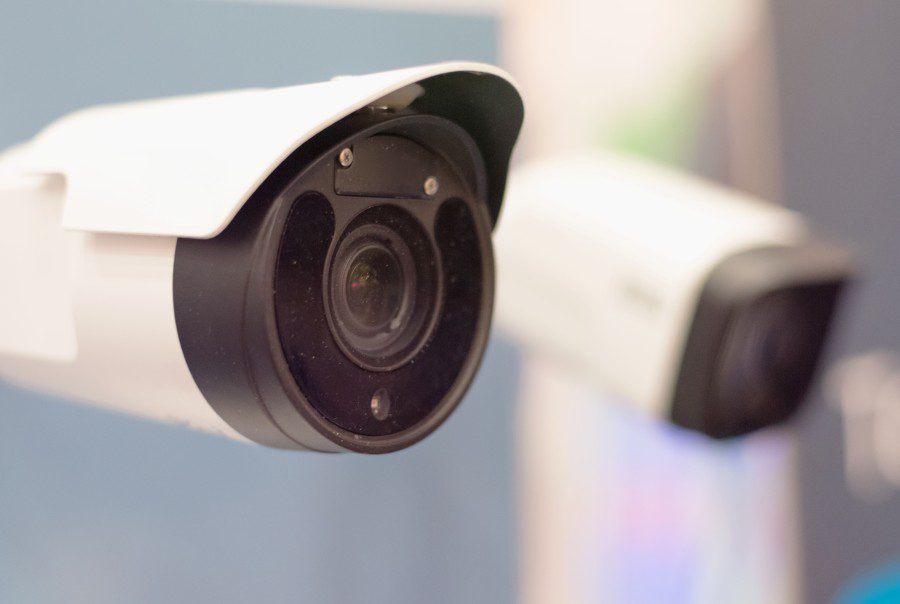
Alarm Decals and Signs: Place security system decals and signs in visible locations, even if you don’t have a security system, as they can act as a deterrent.
Smart Locks and Security Systems:
Smart Locks: Smart locks allow renters to control access to their home remotely. They can be installed without damaging the door, making them ideal for renters. You can provide access codes to trusted individuals, change them as needed, and receive alerts when the door is unlocked.
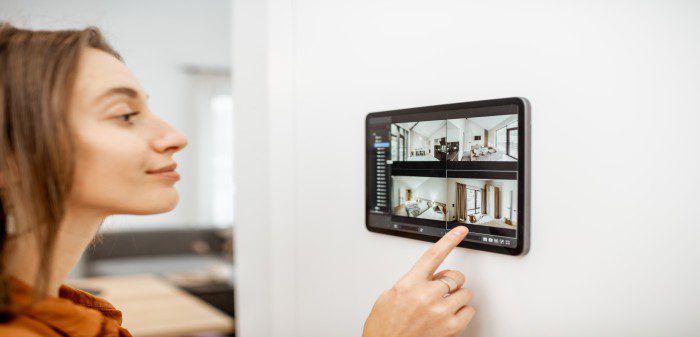
Wireless Security Cameras: Battery-powered, wireless security cameras can be installed and moved as needed without drilling holes or damaging walls. These cameras can provide real-time video surveillance and motion alerts.
Smart Doorbells: Video doorbells offer the convenience of monitoring your front door and communicating with visitors from your smartphone, making them a valuable addition to your rental security.
Neighbourhood Safety Considerations:
Research the Area: Before renting, research the safety of the neighbourhood. Check crime statistics, talk to local residents, and consider proximity to emergency services.
Get to Know Neighbours: Building a relationship with your neighbours can enhance security. Neighbours can keep an eye on your property when you’re away and alert you to any suspicious activity.
Community Watch Programs: Some UK neighbourhoods have community watch programs. Joining one can provide additional safety measures.
Emergency Services: Familiarize yourself with the location of local police stations, fire stations, and hospitals.
Emergency Contacts: Save local emergency numbers in your phone and have a list of emergency contacts readily available in your home.
Renters in the UK can enjoy peace of mind by taking steps to enhance the security of their rental properties. By following these tips, investing in smart locks and security systems, and considering neighbourhood safety factors, you can create a secure environment for yourself and your loved ones, ensuring that your rental property feels like a safe and welcoming home.
Home Security for Renters: What You Can Change
Improving home security for renters does not necessarily mean replacing locks or installing permanent equipment.
There are plenty of simple precautions you can take without altering the property, including keeping doors and windows locked, managing keys carefully, being cautious about communal access and using suitable portable or removable security devices.
However, remember that a rented property is not yours to alter freely. Your tenancy agreement may restrict changes to locks, doors, windows, wiring, fixtures or externally fitted equipment.
Before drilling, replacing a lock, fitting a hard-wired camera or making another permanent alteration, check your tenancy agreement and obtain your landlord or letting agent’s agreement where required.
If an existing door, window, lock, electrical fitting or other part of the property is damaged or unsafe, report it rather than attempting a repair that is the landlord’s responsibility.
Check Doors and Windows
Doors and windows are an obvious place to start when reviewing the security of your rental.
Get into the habit of checking that external doors and accessible windows are properly closed and locked before leaving the property or going to bed.
If you notice:
-
a damaged external door;
-
a window that does not close properly;
-
a loose or defective existing lock;
-
a damaged frame; or
-
another problem that could affect the security of the property,
tell your landlord or managing agent promptly.
Do not automatically replace locks, window fittings or door hardware yourself. Permanent alterations may require permission, and defective parts of the property may be something the landlord needs to repair.
If you would like an additional security measure, discuss it with your landlord first. They may agree to an appropriate improvement or arrange the work themselves.
Be Careful With Communal Entrances
Security is particularly important when renting a flat in a building with shared entrances.
A secure front door is much less effective if residents regularly leave it propped open.
Avoid allowing unknown people into the building simply because they say they are visiting another flat. Where an entry phone or intercom is provided, confirm who the visitor is before releasing the door.
Also report problems such as:
-
communal doors that do not close correctly;
-
broken entry systems;
-
damaged locks;
-
faulty external lighting; or
-
doors that are repeatedly left unsecured.
Landlords or building managers are usually responsible for relevant communal areas and building systems rather than individual tenants undertaking repairs themselves.
Protect Parcels and Deliveries
Online deliveries can create another security issue, particularly in blocks of flats or properties with shared entrances.
Whenever possible:
-
arrange delivery for a time when someone is home;
-
use delivery notifications;
-
nominate an appropriate safe place only if it is genuinely secure;
-
use a parcel locker or collection point where practical; and
-
avoid allowing parcels to remain visible in an entrance or communal hallway.
If you live in shared accommodation, agree how deliveries will be handled rather than assuming another resident will always be available to accept them.
Be cautious about unexpected callers claiming to be couriers, utility workers or contractors. If somebody needs access to your home and you were not expecting them, verify who they are before letting them inside.
Manage Your Keys Carefully
Good key management is one of the simplest forms of rental security.
Avoid labelling keys with your full address and do not leave spare keys in obvious outdoor hiding places.
If you share the property, make sure everyone understands who has keys and avoid giving copies to people who do not need ongoing access.
Check your tenancy agreement before having additional keys copied, particularly where controlled or communal-access keys are involved.
If a key is lost or stolen, tell your landlord or managing agent promptly. They can advise what should happen next and whether a lock needs to be changed.
When your tenancy ends, return all keys, access cards and entry fobs as required.
Smart-Home Security for Renters
Smart technology can provide additional security without necessarily requiring major alterations.
Depending on your property and tenancy agreement, renter-friendly options may include portable indoor cameras, removable door or window sensors and other devices that do not permanently alter the property.
Before installing a smart lock, wired alarm, fixed CCTV camera or video doorbell, however, obtain permission where the installation changes the landlord’s door, wiring or other fixtures.
Smart security also needs to be digitally secure.
The National Cyber Security Centre recommends protecting smart devices by using strong passwords, enabling two-step verification where available and keeping devices updated. Automatic updates should be enabled where possible.
If remote access is not needed, consider disabling it.
Remember that cameras and video doorbells can also create privacy issues. If a camera captures a communal corridor, public area or somebody else’s property, data-protection rules may apply. Position cameras carefully and check current ICO guidance before recording areas beyond your own private space.
Know When Security Is the Landlord’s Responsibility
Renters can take everyday precautions, but you should not be encouraged to take responsibility for repairs that legally belong to the landlord.
For private renters in England, GOV.UK states that landlords are responsible for repairs to areas including:
-
the property’s structure and exterior;
-
heating and hot water systems;
-
gas appliances, pipes, flues and ventilation;
-
electrical wiring; and
-
specified sanitary installations.
Landlords are also usually responsible for relevant common areas such as staircases in blocks of flats.
They must keep rented properties safe and free from health hazards, ensure gas equipment they provide is safely installed and maintained, and ensure the electrical system and supplied electrical appliances are safe.
Therefore, if a security concern is caused by a defective part of the property — such as an unsafe external door, damaged window or electrical fault — report it promptly rather than trying to repair it yourself.
You should only carry out repairs where your tenancy agreement allows you to do so.
Rules and terminology differ in Scotland, Wales and Northern Ireland, so renters outside England should check the official guidance that applies where they live.
For a broader explanation of renting protections, read RentWizz’s Tenant Rights guide.
Security Starts Before You Move In
Home security also begins during the property search.
Be cautious when communicating with people claiming to be landlords or agents, particularly if you are pressured to transfer money quickly or pay for a property you have not properly verified.
Fake listings, fraudulent payment requests and people pretending to own properties can put both your money and personal information at risk.
Read RentWizz’s Avoid Rental Scams in the UK guide for advice on identifying suspicious listings and protecting yourself during your rental search.
Everyday Home Security Habits
Some of the most effective precautions cost nothing.
Before leaving home:
-
lock doors and accessible windows;
-
avoid leaving keys visible near doors;
-
keep expensive items away from easily visible windows;
-
avoid publicly advertising that your home will be empty for a long period;
-
check that communal doors close behind you; and
-
make sure security devices you use are working correctly.
If you share your home, discuss basic security with your housemates. A secure property depends on everyone remembering to lock doors, manage keys sensibly and avoid giving unknown visitors access.
Final Thoughts on Home Security for Renters
Good home security for renters is about combining sensible everyday habits with a clear understanding of what you are permitted — and responsible — to change.
Look after your keys, secure doors and windows when you leave, manage deliveries carefully and use renter-friendly smart technology where appropriate.
At the same time, do not take on repairs or permanent alterations simply because they affect security. Report defective fixtures and safety concerns to your landlord or managing agent and obtain permission before changing landlord-owned locks, doors, wiring or other permanent fittings.
A secure rental should be a shared priority: renters can take sensible precautions, while landlords remain responsible for the safety, repair and maintenance duties placed on them by law.